

Untangling the Web-Series
Why I Chose This Format for My Dream Project

Hello and happy Wednesday everyone! Caroline here, fresh off a short guerrilla style shoot for both Final Girl and another blood-soaked project (are you picking up on a theme here) to talk about the format of a web series and why I chose it!
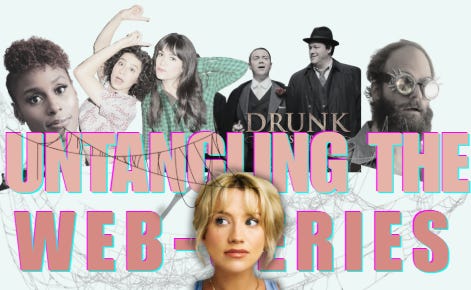
As much as I have truly adored the world of short films and indie flicks, my dream has always been to one day be a showrunner. There’s something about building a whole world, episode by episode, that feels like the most complete version of storytelling. That’s part of why I decided to make a web series: it felt like the perfect vehicle to try out the role of showrunner on a smaller scale, with all the creative and logistical challenges baked in. In my essay a couple weeks ago, I wrote about the moment you know you’re ready to take a leap. For me, Final Girl is that leap. It’s my chance to put those lessons into practice and run a show, even if it’s not backed by a studio (yet).
Once upon a time, the phrase “web series” conjured up an image of a group of friends with a flip cam in somebody’s apartment, uploading short episodes to YouTube and hoping someone— anyone —would watch. It was scrappy, it was experimental, and it was often seen as the “training wheels” of television: the thing you did before you got to make a “real” show.
But here’s the funny twist: now everything is a web series. Whether it’s prestige miniseries on HBO, bingeable Netflix thrillers, or Hulu’s comedy lineup, they’re all episodic, streaming online, and consumed the exact same way those early YouTube shows were. The only difference? A few extra zeros in the budget.
Back in the early 2010s, web series were often dismissed as amateur or half-baked. They didn’t live on television yet. Instead, they lived on Vimeo, in niche corners of the internet, or maybe at a fringe festival if you were lucky. They weren’t career-makers so much as calling cards: little showcases to prove you had something, and then hopefully someone in power would let you graduate to the “real” stuff.
Take Broad City, for example. It started as a low-budget web series before Comedy Central gave it a proper home. And even then, people framed its origins as a lucky break, not proof that the format itself was legitimate. (check out the OG web series episode below:)
Streaming changed all that. Suddenly, the biggest shows in the world were… exactly what web series had been experimenting with for years, actually. Shorter runtimes? Check. Episodes dropped online instead of broadcast? Check. Niche audiences finding their favorite shows through digital discovery? Check.
In other words: the thing that was once looked down on as “cute” or “unserious” has become the standard of modern storytelling. Streaming platforms thrive on content that feels bingeable, shareable, and specific—and that’s exactly what web series were always good at.
Now, creating a web series doesn’t feel like the minor leagues. It feels like proof that you’re speaking the language of how audiences actually consume media. Festivals scout web series for their lineups. Distributors look at them as proof-of-concept. Even investors see them as legitimate, because the format has been legitimized by streamers themselves.
Plus, they’re faster to make than features, easier to crowdfund, and perfectly tailored for the way people watch now: one late-night binge session, fueled by pizza and self-loathing.
This is why I’m so excited about making Final Girl. It’s female-led, genre-specific, short-form, and binge-friendly—all the ingredients that would’ve been considered “too niche” even ten years ago. But now? Now that niche is the point. That’s how audiences connect, how communities form, and how new voices get heard.
When I say I’m making a web series, I don’t feel like I’m making an excuse anymore. I’m already making television, just on my own terms. And the industry has finally caught up to that idea.
So yes, streaming has shifted the value of web series. What was once the scrappy underdog format is now the DNA of mainstream TV. For indie creators, that’s not just validation, it’s an opportunity.
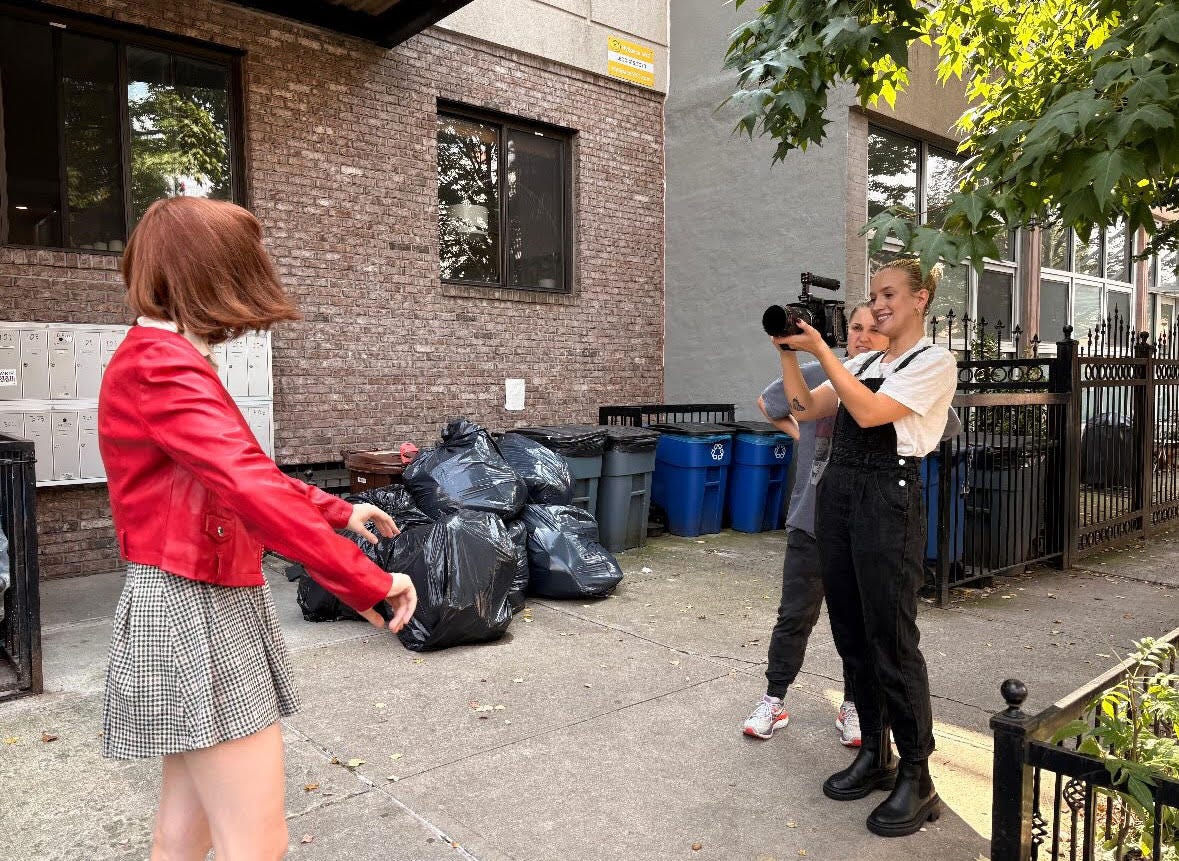
We don’t have to apologize for making web series anymore. We get to celebrate them as the format of now. And if the past decade has proven anything, it’s that the future of storytelling doesn’t start in a boardroom. Storytelling now starts with a small, passionate crew, a half-written script, and the audacity to upload it online.
Thank you all! Tune in next week to hear a play-by-play of how the first days of our official NYC unit went!
-Caroline :)
Every essay is fascinating! Thanks for sharing your journey!